
How to Market a Small Business in Nigeria: A Practical Guide
Learn how to market a small business in Nigeria with practical, affordable strategies to attract customers, promote your business and increase sales.
Learning how to market a small business in Nigeria can be challenging, especially with a limited budget and established competitors. You might be posting regularly, running promotions or telling people about your business, yet still struggle to attract consistent customers.
The problem isn't always a lack of marketing activity. Often, it's a lack of direction. You don't need a large budget or a complicated plan. You need to understand who you're selling to, choose the right ways to reach them and make it easy for them to buy.
Here are three essential steps to market a small business in Nigeria and build a strong marketing foundation.
1. Understand Your Target Customers
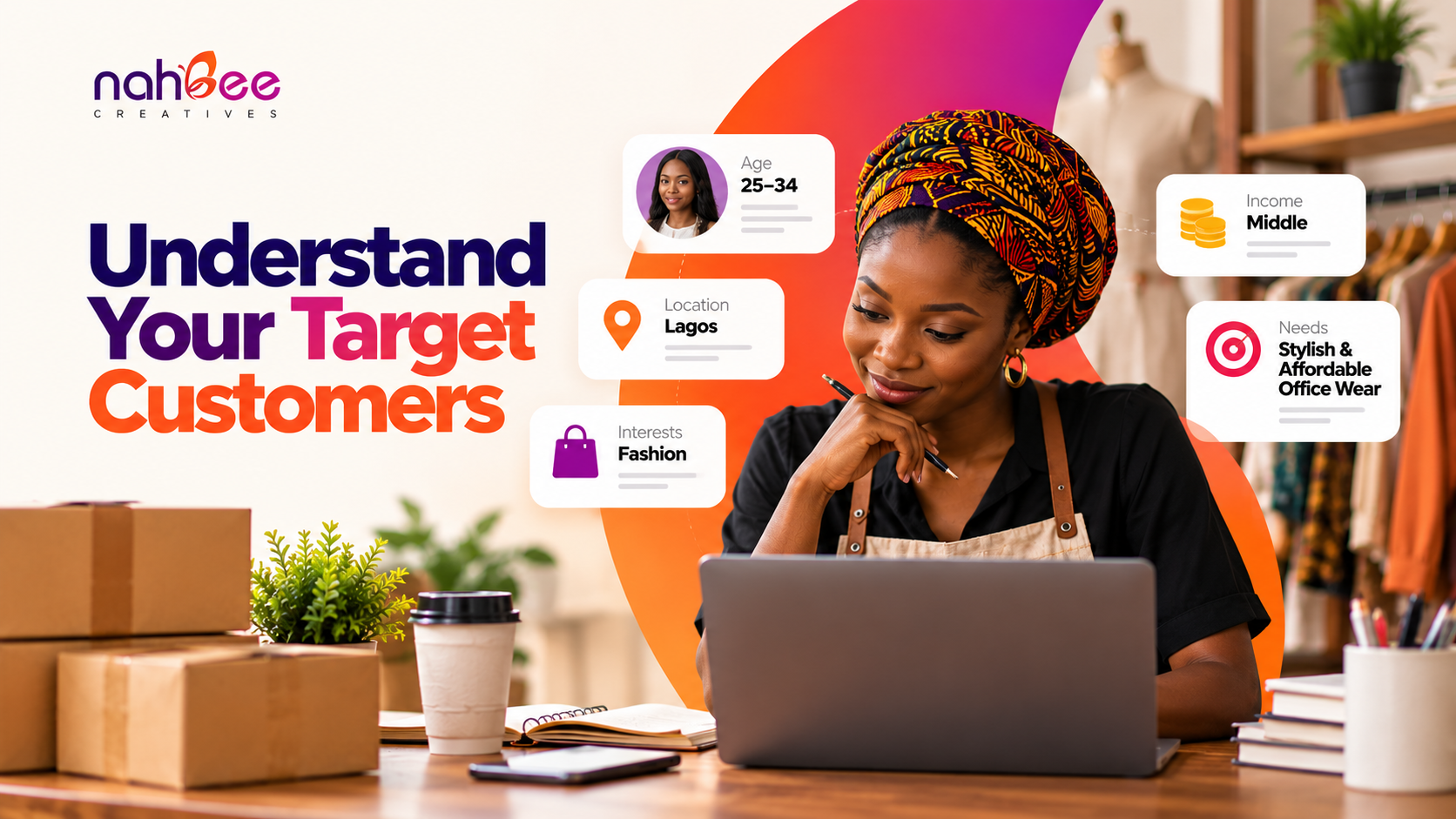
The first step to market a small business in Nigeria is knowing your customers. Before spending money on advertising or content, identify the people most likely to buy from you. Trying to reach everyone wastes time and budget. Knowing your customers tells you what to say, which platforms to use and how to present your offer.
Identify Your Ideal Customers
Describe the people most likely to buy from you: their location, age, income, interests and buying habits. More importantly, understand what they need and why they might choose you. Start with what you already know from existing customers, past enquiries and buyers of similar products.
For example, if you run a clothing business in Lagos, your ideal customers might be young professionals looking for affordable, stylish office wear. Instead of posting random pictures, you could share office outfit ideas, styling tips and videos showing how your clothes fit. The more specific you are, the easier it is to create relevant messages.
Understand Your Customers' Needs and Buying Behaviour
Next, understand what influences their decisions and what might stop them from buying. Are they concerned about price, quality, delivery, convenience or trust?
If you sell food online, customers may want to know whether your meals are affordable, hygienically prepared and delivered on time. Address these concerns by showing your meals, displaying prices, sharing genuine reviews and explaining your delivery process. Learn from enquiries, social media comments and conversations with existing buyers, then create content that answers real questions.
Research Your Competitors
Competitors show you what customers expect in your industry. Study their content, pricing, offers, reviews and the questions people ask in their comments. Look for gaps where customers seem dissatisfied or underinformed.
The goal isn't to copy them but to find opportunities. If other clothing businesses rarely show how outfits fit, you could create videos on different body types, helping customers buy with confidence.
2. Create a Simple Marketing Strategy for Your Business
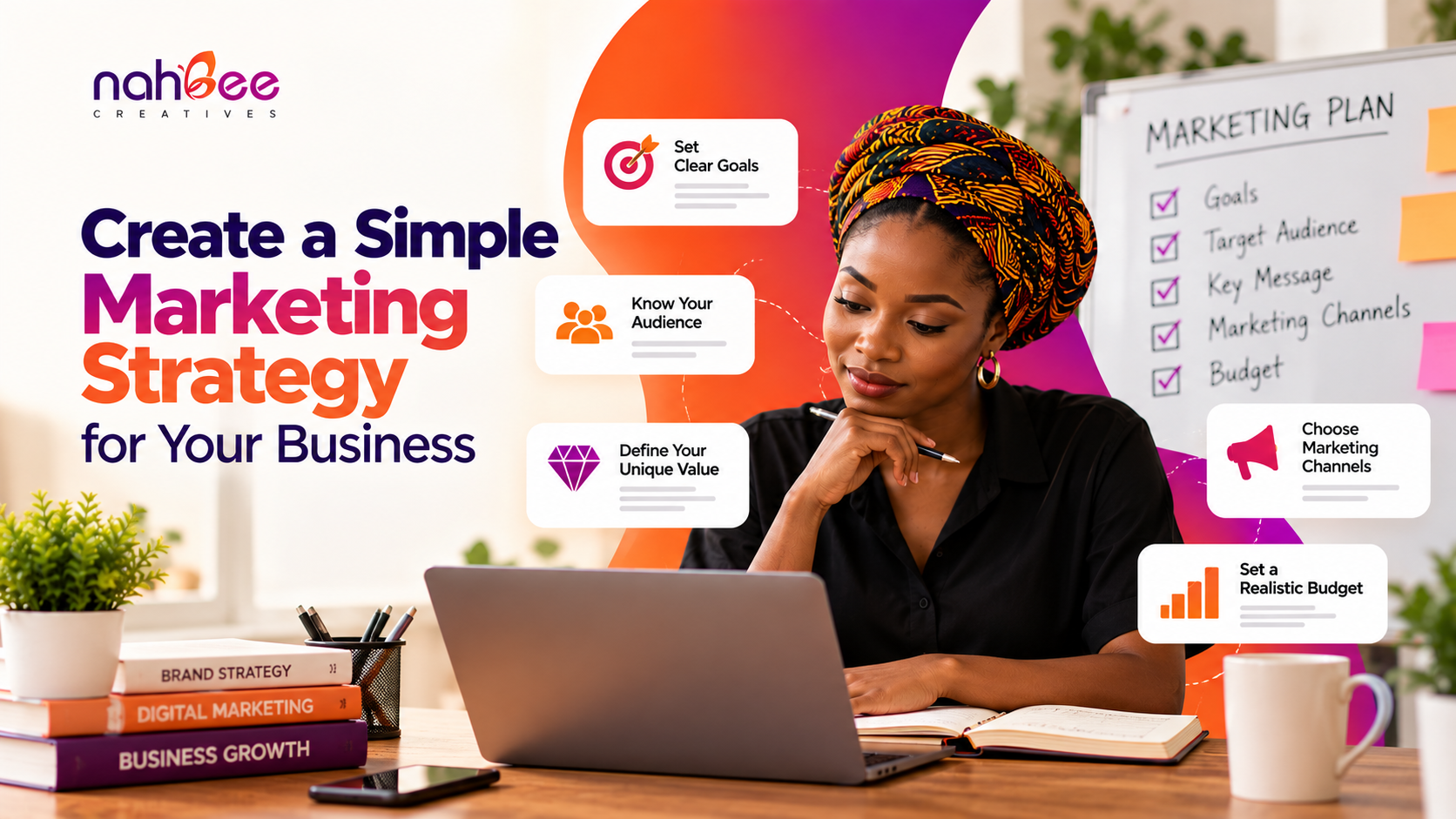
A marketing strategy helps you decide how to reach your customers, what you want to achieve and how to use your resources. Without one, it's easy to chase likes and views that don't bring enquiries or sales. You don't need a complicated document, just a few important decisions. A clear plan is one of the most affordable ways to market a small business in Nigeria.
Set Clear Marketing Goals
Decide what you want your marketing to achieve: new customers, more sales, more enquiries or repeat purchases. Make goals specific, measurable and realistic. Instead of "grow my business," aim to generate 30 enquiries through Instagram and WhatsApp in one month. Then track which channels deliver them.
Define What Makes Your Business Different
Customers have many options, so tell them why they should choose you. Your advantage might be quality, pricing, convenience, service, expertise or the specific problem you solve. A Lagos bakery might specialise in fresh cakes with same-day delivery for last-minute celebrations.
Avoid generic claims like "best quality" without proof. Show your value through demonstrations, clear descriptions and genuine customer experiences, and communicate it consistently across your website, social media and adverts.
Choose the Right Marketing Channels
You don't need to be on every platform. Choose channels based on where your customers spend time and how they prefer to buy. A fashion business might use Instagram to showcase products and WhatsApp Business to take orders. A professional services firm might use LinkedIn and a website. If time and budget are limited, start with one or two channels you can manage consistently.
Create a Realistic Marketing Budget
Be intentional with your money. Organic content, WhatsApp Business and customer referrals cost little or nothing, while paid ads, designers and websites cost more. Start with affordable activities and invest further as you learn what drives sales. Before spending on anything, decide what you want to achieve and how you'll measure it.
Put Your Marketing Strategy Into Practice
Imagine you own a skincare business in Lagos selling affordable products to young adults. Your initial strategy could look like this:
| Marketing Element | Your Strategy |
|---|---|
| Marketing goal | Generate 30 customer enquiries in one month. |
| Target audience | Young adults in Lagos interested in affordable skincare. |
| Unique selling point | Affordable skincare products with clear usage instructions. |
| Marketing channels | Instagram and WhatsApp Business. |
| Content strategy | Share skincare tips, product demonstrations, customer reviews and product information. |
| Budget | Start with organic content and set aside a small advertising budget for testing. |
| Performance measurement | Track enquiries, orders and sales from each channel. |
At the end of the month, review your results. If content generates enquiries but few sales, check whether pricing, product information or your ordering process is discouraging customers. Let your strategy evolve as you learn.
Need help turning these ideas into an actionable plan?
The Marketing Roadmap for Business Owners is a practical guide designed to help you plan your marketing, choose the right activities and build a system you can follow without hiring a full marketing team.
3. Build a Strong Online Presence
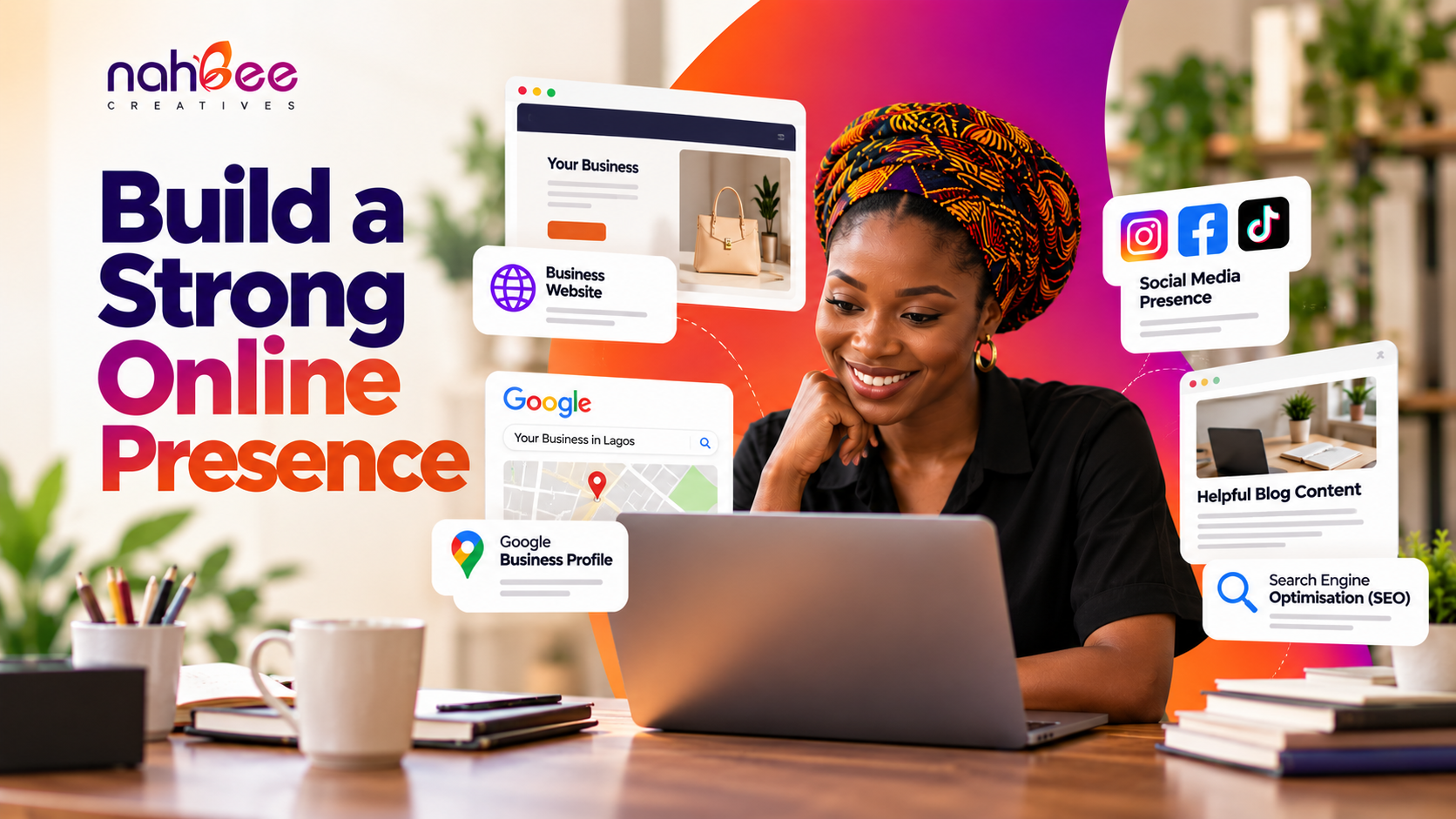
When people hear about your business, they may search Google, visit your social pages or read reviews before buying. If they can't find reliable information, they may choose a competitor. Focus on a professional presence on the platforms that matter most to your customers. Today, to market a small business in Nigeria effectively, you need to be easy to find online.
Create a Professional Business Website
Your website is a central place where customers learn about you and contact you, and unlike social media, you control it. A basic business website should include:
- Homepage: Clearly explain what your business does, who it serves and what customers can expect.
- Products or services page: Present your offerings with clear descriptions, relevant images and prices where appropriate.
- About page: Introduce your business and explain what makes it different.
- Contact page: Provide your phone number, email address, business location or WhatsApp link.
- Clear calls to action: Make it easy for visitors to place an order, request a quote or book a service.
Make sure it works well on mobile phones, loading quickly and displaying properly. A Lagos catering business, for example, could showcase its menu, event photos and packages, with a WhatsApp button for enquiries.
Set Up Your Google Business Profile
If you serve customers in a specific location, a Google Business Profile helps people find you on Google Search and Maps. Someone searching for a bakery in Ikeja may see local businesses with addresses, opening hours, photos and reviews.
Claim your profile and add accurate details: name, category, phone number, website, hours and address or service area. Add clear photos, keep information updated, encourage satisfied customers to leave honest reviews and respond professionally. A complete profile helps, though it doesn't guarantee top rankings.
Optimise Your Website for Google Search
Search engine optimisation (SEO) helps customers find your website in organic search results. Start by identifying the words your customers search for. A Lagos branding agency might target "branding agency in Lagos" or "how to create a brand identity."
Use keywords naturally in page titles, headings and content, and prioritise helpful content that answers real questions. Publishing useful blog articles can attract people looking for advice and introduce them to your services. Keep your site fast, mobile-friendly and easy to navigate. SEO is long-term, so focus on steady improvement. It remains a powerful, low-cost way to market a small business in Nigeria.
Follow Up and Build Customer Trust
Being visible online is only useful if you respond well when people reach out. Many Nigerian customers enquire through WhatsApp, Instagram DMs or phone calls, and slow replies often lose sales. Use WhatsApp Business quick replies, a product catalogue and labels to track enquiries, and reply as quickly as you can. Fast, friendly responses are one of the simplest ways to market a small business in Nigeria.
After every successful order, follow up to check that the customer is satisfied and ask for a short review or testimonial. Share these reviews on your social pages, website and Google Business Profile. Honest feedback from real customers builds trust and makes it easier for new buyers to choose your business.
Want to put your marketing knowledge into practice?
Building a website and improving your online visibility are just parts of a complete marketing system. The Marketing Roadmap for Business Owners walks you through practical marketing activities and helps you organise them into a plan you can implement for your business.
Final Thoughts on How to Market a Small Business in Nigeria
To market a small business in Nigeria, you don't need to try every platform, chase every trend or post without purpose. Understand your target customers, create a simple strategy based on your goals and resources, then build an online presence that helps people find you and buy from you.
You don't have to figure everything out at once. Start with what matters most, measure your progress and improve as you learn.
If you want a more structured way to plan and implement your marketing, explore the Marketing Roadmap for Business Owners. It provides a practical starting point for business owners who want to take control of their marketing and build a system they can follow.